
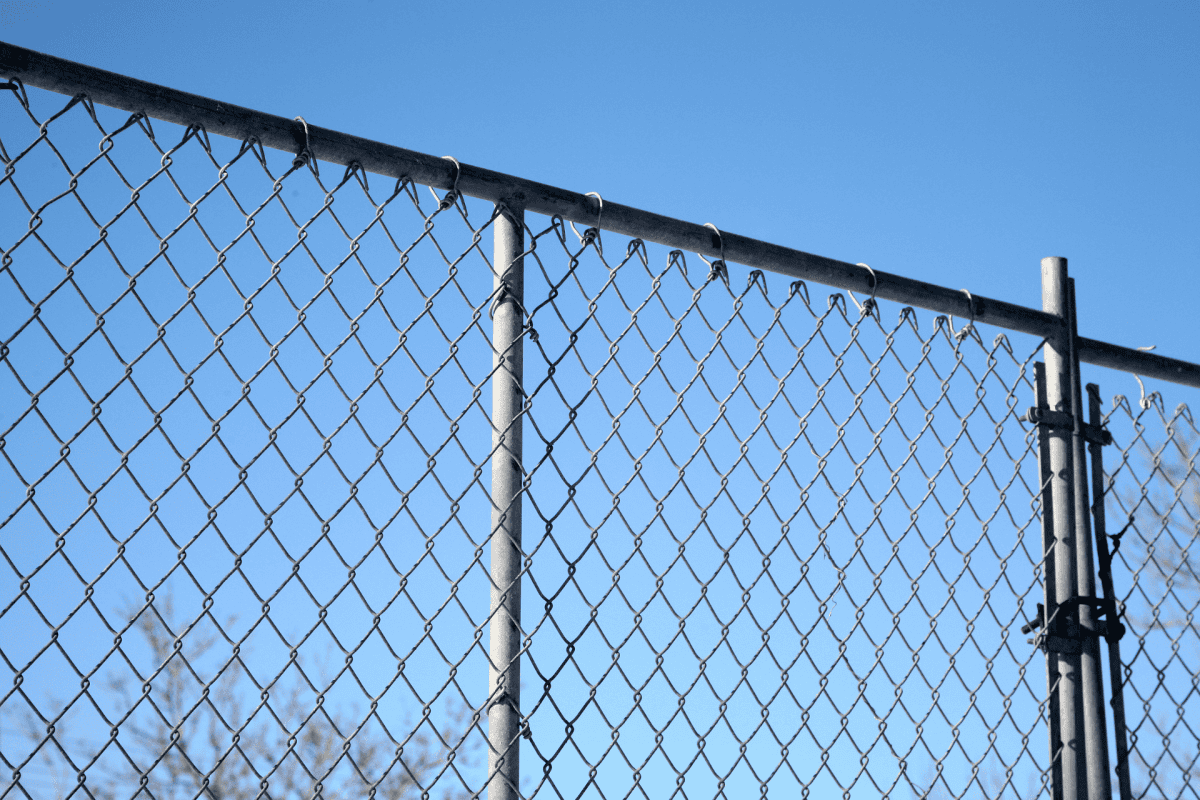
How Much Does 200 Ft of Chain Link Fence Cost?
A 200-foot chain link fence is a common choice for backyard spaces and properties around a quarter-acre in size. It is one of the most popular options in residential fencing because it balances cost, durability, and security, according to average chain link fence cost data.
For many homeowners, the challenge is understanding what the project will actually cost.
Prices can vary a lot based on fence height, material grade, labor rates, and even site conditions. One quote may look low at first, but it often does not include key items like gates, concrete, or removal of old fencing.
This is where having a trusted contractor matters, and DC Fence works with homeowners on residential fencing projects to provide clear, straightforward estimates without surprises.
This guide breaks down the real cost of a 200-foot chain link fence. It covers materials, labor, and the extra factors that can change your final price, so you know exactly what to expect before starting your project.
Cost for 200 Ft of Chain Link Fence
A 200-foot chain link fence is a common size for residential fencing projects. The total cost depends on the height of the fence, the type of fencing materials, and how difficult the installation is.
On the low end, a basic DIY setup with standard galvanized chain link usually costs $1,600 to $3,000 for materials. This assumes flat ground and simple conditions.
For professional installation, most homeowners pay $3,800 to $7,000 for a standard 4 to 6 foot fence. More complex jobs with heavier steel, slopes, or upgraded options like fencing with aluminium components can raise the total to $8,000 to $12,000 or more.
These are national averages. Local labor rates and site conditions will affect the final price.
Cost Per Linear Foot Breakdown
Most contractors price chain link fencing by the linear foot. This makes it easier to scale the project up or down depending on the size of your yard. Understanding the cost per foot also helps you compare quotes and see where your money is going.
- Materials Only ($8 to $15 per foot): This covers the core fencing materials like chain link mesh, steel posts, rails, and concrete. The price mainly depends on the thickness of the steel and the type of coating. Heavier materials cost more upfront but usually last longer.
- Labor Only ($10 to $20 per foot): Labor includes digging holes, setting posts in concrete, and stretching the mesh into place. Costs go up if the ground is rocky or uneven. Skilled installers work faster and keep the fence straight.
- Total Installed Cost ($18 to $35 per foot): This is the typical full price for standard residential fencing installation. The range reflects differences in height, terrain, and job complexity. Projects that use heavier frames or upgrades like fencing with aluminium components usually land on the higher end.
Pro Tip: Even though the fence is measured by the linear foot, some parts are priced separately. Gates, terminal posts, and corner posts usually show up as their own line items. This is normal and helps ensure those key structural pieces are installed properly.
DC Fence helps homeowners understand real chain link fencing costs before starting their project. We provide clear, upfront estimates so you know exactly what to expect.
200 Feet Chain Link Fence Cost by Height
Height is one of the biggest factors that affects the price of a chain link fence. Taller fences require more steel and stronger posts, which quickly increases the total cost.
3 to 4 Ft Fences for Simple Yard Use
This is the height that many homeowners start with when they want something practical and affordable. It works well for front yards, small backyards, and clear property lines. We often see families choose this size to keep dogs safely inside while still maintaining an open feel.
For a 200-foot run, a standard 3 or 4-foot chain link fence typically costs $3,200 to $5,800 installed. The lower end usually applies to flat ground with basic materials. The higher end reflects thicker wire, better coatings, or slightly more complex layouts.
5 to 6 Ft Fences for Privacy and Security
This is the height most homeowners choose when they want more protection and peace of mind. It feels sturdier and provides better control over pets and children. Many property owners also select this size to meet pool safety requirements or to add privacy slats later.
For a 200-foot project, expect a total cost of about $4,800 to $7,800 installed. The price increases because the posts are heavier and the mesh is thicker. More material means more strength, but it also raises the overall cost.
8 Ft and Up for Security and Commercial Use
Once you reach 8 feet or higher, the fence shifts from basic backyard use to serious security. These fences are common around warehouses, schools, sports courts, and large properties where safety is a top priority. They are designed to be strong, stable, and difficult to climb.
For a 200-foot run, an 8-foot or taller chain link fence usually ranges from $7,500 to $12,500 or more installed. The final number depends heavily on site conditions, security needs, and the grade of materials used.
Material & Grade Options (Steel vs. Vinyl Coated)
Once you know the height and basic price range, the next big decision is the material finish. This choice affects how the fence looks, how long it lasts, and how much maintenance it will need over time. It also plays a role in both residential and commercial fencing projects.
Galvanized Steel Zinc Coated
This is the standard option for most chain link fences. It has a clean silver finish and a simple, no-nonsense look. The zinc coating helps protect the steel from rust and everyday weather exposure.
It is also the more budget-friendly option, which is why it is commonly used in both residential yards and larger ranch fencing projects. It does not try to blend in. It is built to perform and stay functional for years with minimal maintenance.
Vinyl Coated Green or Black
Vinyl-coated chain link is the more finished-looking option. It is very popular for residential properties because the green or black coating blends better with grass, trees, and landscaping. It feels less industrial and more visually soft.
It also adds an extra layer of protection against rust and wear. Because of that, it usually costs about 10 percent to 20 percent more than standard galvanized steel. Many homeowners choose it when appearance matters just as much as durability.
Core Differences Made Simple
These are the main differences that usually matter when you are comparing options for a fence project.
| Category | Galvanized Steel | Vinyl Coated |
|---|---|---|
| Fabric Mesh | Thinner gauge mesh that is more affordable and commonly used for basic residential fencing | Heavier gauge mesh that is stronger and better suited for high-use or tougher conditions |
| Framework (Posts and Rails) | Schedule 40 steel, the standard choice for most residential projects | Schedule 80 steel, thicker and used for added strength in commercial fencing or high-security areas |
| Durability | Good rust resistance with zinc coating but will show wear over time | Extra protective layer that helps resist rust and extends lifespan |
| Appearance | Silver, industrial look that stands out more in a yard | Green or black finish that blends better with landscaping |
| Cost Impact | Lower upfront cost and more budget-friendly for large runs | Higher upfront cost but can reduce maintenance over time |
Cost of Gates for a 200 Ft Run
Most 200-foot fence runs will need at least one gate for everyday access. The final cost depends on the size of the gate, the hardware used, and the extra labor needed for proper alignment during gate installation.
- Standard Walk Gate (3 to 4 ft wide): Cost range: $150 to $400 installed. This is the most common option for pedestrian access. It is simple, functional, and usually installed near a side yard or backyard entry point.
- Double Drive Gate (10 to 12 ft wide): Cost range: $600 to $1,500+ installed. This option is used for vehicles, trailers, or equipment access. It requires heavier framing and more precise gate installation to ensure smooth opening and closing.
What Affects the Price of Installing a Gate
The cost of a gate is not just about size. Hardware quality has a big impact because stronger hinges, latches, and locking systems are needed to support daily use without sagging or loosening over time.
Post reinforcement also adds to the cost. Gate posts are set deeper in concrete than standard fence posts so they can handle extra weight and frequent movement. This requires more material and more labor during installation.
Alignment and labor time are another factor. Even small mistakes in leveling can cause issues with how the gate swings or closes, so installers take extra time to make sure everything is straight, stable, and working smoothly.
Labor Cost: DIY vs. Professional Installation
Labor is one of the biggest parts of any fence project. A 200-foot run can be done yourself or handled by a professional crew, and the difference usually comes down to time, tools, and experience.
DIY Installation
DIY installation can reduce overall costs by up to 50 percent on labor, which is why some homeowners still consider it for smaller fence projects or partial runs. On a full 200-foot fence, potential savings may range from $2,000 to $4,000, depending on local labor rates and site conditions.
The tradeoff is the amount of work involved. You will need tools like a post hole digger, concrete, a level, and enough physical effort to set every post correctly. Small mistakes, like uneven spacing or crooked posts, can be expensive to fix later.
This approach is sometimes ideal for temporary fencing projects where speed and flexibility matter more than long-term precision. But for a permanent installation, accuracy becomes very important.
Professional Installation
Professional installation costs more upfront, but it comes with speed, experience, and a cleaner final result. A trained crew can complete a 200-foot fence much faster while keeping everything straight, level, and properly secured.
Most contractors also include added value in their service. This often covers removal of old fencing, hauling away debris, and handling permits when required. The biggest advantage is peace of mind, since the work is typically backed by a warranty and built to last.
DC Fence provides professional fence installation services that save time and reduce costly mistakes. Every project is completed with proper grading, alignment, and durable construction.
Request your installation quote now
Additional Factors That Affect the Final Price
Several site and project details can change the final cost of a 200-foot fence more than most homeowners expect.
- Terrain and Accessibility: Flat, open ground is the easiest and most affordable to work on. Rocky soil, slopes, or wooded areas slow down installation and increase labor time.
- Permits: Most areas require a fencing permit, usually a flat fee or based on project value. The cost is generally small, but it still needs to be included in the budget.
- Removal of Old Fencing: Taking down and hauling away an old fence adds extra labor and disposal fees. The more material involved, the higher the cost.
- Concrete Setting: Some contractors include concrete in their pricing, while others charge per post. This difference can noticeably change the final quote.
- Property Layout and Obstacles: Trees, rocks, tight access points, or uneven boundaries can all slow down installation and require extra labor.
Chain Link vs. Other Fencing Options (ROI Comparison)
Choosing a fence is not just about cost. It is also about what you are getting for your money and how long you want it to last.
Chain Link vs Wood Privacy Fence
Chain link is usually 30 to 50 percent cheaper than wood fencing, which makes it a strong option for larger properties. However, wood provides full privacy and a more solid visual barrier, while chain link remains open and functional.
Chain Link vs Vinyl Fence
Vinyl fencing costs significantly more upfront, but it offers a clean finished look and very low maintenance over time. Chain link is more affordable and durable for large runs, but it does not offer the same level of privacy or curb appeal.
How to Save Money on Your 200 Ft Fence Project
A 200-foot fence is a major investment, so small decisions can make a noticeable difference in total cost. The goal is to reduce expenses without cutting corners on safety or durability.
- Off-Season Timing: Installing in fall or winter can sometimes lower pricing since demand is lower. Some contractors offer better scheduling flexibility during slower months.
- Galvanized Choice: Choosing galvanized steel instead of vinyl-coated material reduces upfront material costs. It is still durable and widely used for residential fencing projects.
- Utility Marking: Marking your utilities in advance can help you avoid “locate fees”. It also helps prevent delays during installation.
- Simple Layout: Keeping the fence line straight and avoiding unnecessary corners or curves reduces labor time. Simpler layouts are faster to install and usually cost less overall.
Frequently Asked Questions
How much does a 200 ft chain link fence cost with a gate?
A 200-foot chain link fence with one standard walk gate typically costs between $4,000 and $8,500 installed. The final price depends on fence height, material type, terrain, and gate size. Double drive gates or upgrades can increase the total cost.
Is it cheaper to install a chain link fence myself?
Yes, DIY installation can reduce labor costs by up to 50 percent, but it is usually practical only for smaller or simpler projects. A 200-foot fence requires significant time, tools, and experience, and mistakes can be expensive to correct later.
How long does it take to install 200 ft of fence?
Most professional crews can install a 200-foot chain link fence in one to three days. The timeline depends on soil conditions, weather, and whether old fencing needs removal. DIY projects usually take much longer due to labor and setup time.
Do I need a permit for a 200 ft fence?
In most areas, yes, a permit is required for installing a fence of this size. The rules vary by location and height, but many municipalities require approval before construction. Contractors often handle permitting as part of their installation service.
What affects the total fence cost the most?
The biggest factors are fence height, material type, and ground conditions. Rocky soil, slopes, or access issues can increase labor costs. Material upgrades like vinyl coating or heavier gauge steel also raise the overall price.
What is the most affordable fence option for large yards?
Chain link is usually the most cost-effective option for large properties because it offers durability at a lower price per foot. It is widely used for residential fencing where security matters more than privacy or decorative appearance.
Who should I hire for a 200 ft chain link fence project?
For a project this size, you need an experienced local contractor who understands grading, post setting, and long-term durability. DC Fence specializes in chain link installation and fencing materials, offering reliable workmanship, clear pricing, and professional gates installation for residential and commercial projects.
Verdict: Should You Install Chain Link Fence in Your Backyard?
A 200-foot chain link fence is a practical and cost-effective option for most homeowners, with total installed prices typically ranging from $3,800 to $12,500 depending on height, materials, and site conditions. It offers strong durability and security without the high cost of other fencing types.
Before making a decision, look beyond the lowest price. The gauge of steel, coating type, and warranty all affect how long your fence will last and how well it performs over time.
If you are ready to move forward, the best next step is to get a local estimate based on your property.
DC Fence delivers expert chain link installation with honest pricing, strong workmanship, and fences built to last for years. Get a fast, no-pressure quote today and see why homeowners trust DC Fence for reliable, professional results.