
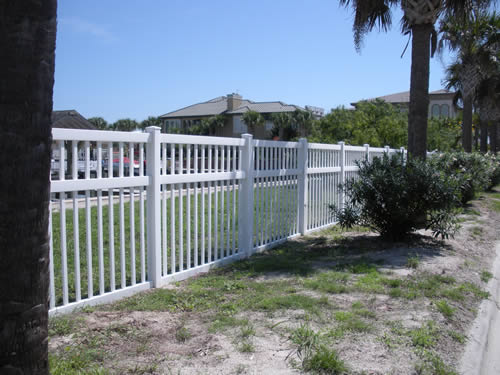
Vinyl vs Aluminum Fences: What’s Best for Your Home?
When it comes to choosing a fence for your home, there are several material options available, each with its own set of advantages and disadvantages. Two of the most popular materials are vinyl and aluminum. Vinyl fencing is known for its durability, low maintenance, and aesthetic appeal.
It can withstand harsh weather conditions and doesn’t require painting or staining, which makes it a convenient choice for many homeowners.
On the other hand, aluminum fencing offers a classic, elegant look while being highly resistant to rust and corrosion. It provides excellent security and can be customized with various designs and colors.
Selecting the right fence material for your home is crucial as it not only influences the property’s appearance but also its functionality and longevity. The right fence can enhance your home’s curb appeal, provide privacy, and ensure security.
Additionally, maintenance requirements and costs are important factors to consider. A low-maintenance material like vinyl might be ideal for busy homeowners, while those looking for a blend of aesthetics and strength might prefer aluminum.
Ultimately, the choice of fencing material should align with your specific needs, lifestyle, and environmental conditions to ensure long-term satisfaction and value. Either an aluminum or vinyl fence could be ideal for you, but it depends on what you want.
Once you’re done reading, you’ll have a better idea of what vinyl and aluminum fences offer, and you’ll be able to decide whether you want aluminum or vinyl or something made of other fence materials such as wood fencing alternatives.
Understanding Vinyl Fencing
Definition and Composition of Vinyl Fencing
Vinyl fencing is a popular alternative to traditional wood or metal fences, made from a type of plastic called polyvinyl chloride (PVC).
This material is designed to mimic the appearance of wood without the associated maintenance and susceptibility to weathering. Vinyl fencing typically comes in prefabricated panels that are easy to install and can be customized in various styles and heights.
Pros of Vinyl Fencing
Durability and Longevity
A vinyl fence requires very little since it’s highly durable and can withstand harsh weather conditions, including heavy rain, intense sunlight, and strong winds.
Unlike wood and other fencing materials, it does not rot, warp, or splinter, and it is resistant to pest infestations, such as termites. This makes vinyl fencing a long-lasting option for homeowners, often outlasting wood and metal alternatives.
Low Maintenance Requirements
One of the significant advantages of vinyl fencing is its low maintenance requirements. Unlike wood fences that need regular staining, painting, and sealing, vinyl fences require minimal upkeep.
They do not need to be painted or treated and can be easily cleaned with soap and water to remove dirt and grime. This makes vinyl fencing an attractive option for homeowners seeking a hassle-free solution.
Variety of Styles and Colors
Vinyl fencing offers a wide range of styles and colors to suit different aesthetic preferences and home designs. Whether you prefer the look of a traditional white picket fence or a more modern design, vinyl fencing can be customized to match your vision.
Additionally, the color of vinyl fencing is consistent throughout the material, so scratches or dings are less noticeable than on painted surfaces.
Cons of Vinyl Fencing
Initial Cost
One of the primary drawbacks of vinyl fencing is the initial cost. Vinyl fences tend to be more expensive upfront compared to wood or chain-link fences. However, the long-term benefits and minimal maintenance costs can offset the initial investment over time.
Limited Repair Options
While vinyl fencing is highly durable, it is not impervious to damage. In the event of significant impact or severe weather, vinyl panels can crack or break.
Repairing a vinyl fence can be more challenging compared to wood, as individual panels or sections may need to be replaced entirely, rather than simply repairing or patching the damaged area.
Environmental Impact
Vinyl fencing is made from PVC, a plastic derived from fossil fuels, and its production and disposal can have environmental impacts.
Concerns include the release of toxic chemicals during manufacturing and the challenge of recycling or disposing of the material at the end of its life cycle. Homeowners who prioritize sustainability may want to consider the environmental implications of choosing vinyl fencing.
Exploring Aluminum Fencing
Definition and Composition of Aluminum Fencing
Aluminum fencing is a popular choice for homeowners seeking a durable and low-maintenance fencing solution. Composed primarily of aluminum, this type of fencing is often treated with a powder coating to enhance its resistance to rust and corrosion.
The lightweight nature of aluminum makes it easy to handle and install, while its strength ensures reliable performance over time.
Advantages of Aluminum Fencing
Strength and Security
One of the main advantages of aluminum fencing is its impressive strength-to-weight ratio. Despite being lightweight, aluminum is incredibly strong, providing a high level of security for your property.
The rigid structure of aluminum fences makes them difficult to break or bend, deterring potential intruders and keeping your home safe.
Ease of Installation
Aluminum fencing is known for its straightforward installation process. The panels typically come pre-assembled, requiring only that they be mounted to pre-installed posts.
This simplicity not only reduces the time and labor needed for installation but also makes it possible for handy homeowners to install the fencing themselves.
Minimal Maintenance
Another significant benefit of aluminum fencing is its minimal maintenance requirements. Unlike wood, it doesn’t require painting, staining, or sealing.
The powder-coated finish prevents rust and corrosion, ensuring that the fence remains attractive and functional with just occasional cleaning.
Drawbacks of Aluminum Fencing
Higher Upfront Costs
While aluminum fencing offers many benefits, one of its main drawbacks is the higher upfront cost compared to other materials, such as wood or vinyl.
The initial investment can be considerable, although many homeowners find that the long-term savings on maintenance and replacement costs offset the higher initial expense.
Limited Design Options
Aluminum fencing generally offers fewer design options compared to other materials like vinyl or wrought iron.
While it comes in various styles and colors, the customization possibilities are somewhat limited. For homeowners seeking highly ornate or personalized fencing designs, aluminum may not provide the versatility required.
Susceptibility to Denting
Although aluminum is strong, its lightweight nature makes it susceptible to denting upon impact. This can be a concern in high-traffic areas or in yards where children frequently play.
While small dents can often be repaired, more significant damage may require panel replacement, adding to maintenance costs.
Durability and Maintenance
Lifespan of Vinyl Fencing
Vinyl fencing is known for its impressive lifespan, often lasting upwards of 20 to 30 years with proper care.
This type of fencing resists many of the common issues that plague other materials, such as rot, warping, and insect damage. Its longevity makes it a popular choice for homeowners seeking a low-maintenance and durable fencing option.
Maintenance Requirements for Vinyl
One of the major advantages of vinyl fencing is its low maintenance requirements. Unlike wood, vinyl does not need to be painted or stained and will not splinter or crack.
Cleaning vinyl fencing is typically a straightforward process, usually just requiring a rinse with a garden hose or a quick scrub with soapy water to keep it looking fresh and new. This makes vinyl an appealing option for those who prefer minimal upkeep.
Durability of Aluminum Fencing
Aluminum fencing is renowned for its durability and strength, making it a robust choice for securing property perimeters. It is resistant to rust and corrosion, thanks to its powder-coated finish, which helps it withstand harsh weather conditions.
This durability ensures that aluminum fencing can last for several decades, offering a reliable and sturdy barrier for homes and properties.
Maintenance Needs for Aluminum
While aluminum fencing is durable, it does require some maintenance to retain its appearance and functionality. Regular inspections to check for any damage or signs of wear are recommended.
Additionally, cleaning the fence periodically to remove dirt and debris will help maintain its aesthetic appeal. However, overall, the maintenance needs for aluminum fencing are relatively minimal compared to materials like wood.
Installation Process
Installation Steps for Vinyl Fencing
Installing vinyl fencing can be a straightforward process if you follow the steps meticulously. First, measure and mark the locations for the fence posts, ensuring you have all the necessary permits and utilities marked.
Dig post holes at the marked locations, making sure they are deep enough to support the fence’s height. Insert the posts, fill the holes with concrete, and let them set. Once the posts are secure, attach the vinyl panels or rails to the posts according to the manufacturer’s instructions, ensuring they are level and evenly spaced. Finally, cap the posts and panels to complete the installation.
DIY vs. Professional Installation
When deciding between DIY and professional installation for vinyl fencing, consider your skill level, time, and budget. A DIY installation can save money on labor costs but requires time, effort, and some level of proficiency with tools and measurements.
On the other hand, hiring professionals can ensure greater accuracy and efficiency, potentially leading to a more durable and aesthetically pleasing result. Professionals bring experience and expertise, which could be especially beneficial for complex or large-scale projects. Weighing these factors will help you make the best decision for your needs.
Installing Aluminum Fencing: Challenges and Considerations
Installing aluminum fencing involves different challenges and considerations compared to vinyl fencing. Aluminum is lightweight yet sturdy, which can simplify handling but also necessitates precise alignment during installation to maintain structural integrity.
Key steps include measuring and marking post locations, digging post holes, and securing posts with either concrete or mounting brackets, depending on the surface. Aluminum fencing often requires more meticulous leveling due to its rigid nature.
Additionally, aluminum fences usually involve assembling panels and gates, which can be intricate tasks best handled by those with experience or by hiring a professional installer. Keep these factors in mind to ensure a successful and secure installation.
Summary
When it comes to selecting the perfect fencing for your home, both vinyl and aluminum options offer unique benefits and drawbacks. Vinyl fencing is known for its durability, low maintenance, and aesthetic appeal, making it a popular choice for homeowners looking for a long-lasting and stylish solution.
On the other hand, aluminum fencing stands out for its strength, resistance to corrosion, and the added security it provides, which can be crucial for properties needing an extra layer of protection.
Choosing between vinyl and aluminum fencing is not merely a matter of preference but also one of practicality and long-term value. Making an informed decision involves considering factors such as climate, maintenance requirements, budget, and the specific needs of your property.
By weighing the pros and cons of each material, you ensure that your choice not only complements your home’s aesthetic but also serves functional purposes like security and privacy.
Before finalizing your decision, assess your property’s specific needs, the local climate, and your maintenance preferences. Consider seeking advice from fencing professionals who can provide personalized recommendations based on your situation.
Additionally, contemplate how each option fits within your budget and long-term plans for your home. Taking these considerations into account will help you choose a fencing solution that enhances your property’s value and meets your family’s requirements for years to come.