

How To Remove An Old Fence? Step-by-Step Instructions
Removing an old fence can significantly enhance your property’s appearance and value while opening up new possibilities for your outdoor space.
Whether your fence is damaged, outdated, or simply no longer serves its purpose, the removal process is an important step toward revitalizing your property. Before embarking on this project, it’s crucial to consider several factors, including property boundaries, local permit requirements, and proper disposal methods for the old materials.
Adequate preparation is key to a successful fence removal, and that includes gathering the right tools for the job. Essential equipment typically includes shovels, crowbars, power saws, work gloves, and safety gear.
Reach Out to DC Fence Now and Secure Your Property with Quality Fencing!
At D&C Fence, we understand the importance of a well-planned fence removal project. This guide will walk you through the process, providing expert insights and practical tips to ensure a smooth and efficient fence removal experience.
After today, say goodbye to your old wood fence and hello to a new fence post installation! You’ll be able to know what you need to get rid of your existing fence, and if you want to replace the entire thing, you’ll know we’re the right professionals to call. Read on to know everything!
Preparing for the Removal Project
Before diving into your old wooden fence removal project, it’s essential to lay the groundwork for a smooth and safe process. Start by carefully inspecting the condition of your fence. Assess the material and structural stability, noting any areas of decay, rust, or instability. This evaluation will help you determine the best approach for removal and identify potential challenges.
Next, familiarize yourself with local regulations and permit requirements. Understanding your legal obligations is crucial, as some areas may require permits for fence removal. Contact your local building department to learn about the necessary paperwork and how to obtain any required permits.
Lastly, establish a comprehensive safety plan. Prioritize protective gear such as gloves, safety glasses, and sturdy footwear. Ensure a safe working environment by clearing the area of obstacles, informing neighbors of your project, and having a first-aid kit on hand. By taking these preparatory steps, you’ll set yourself up for a successful and incident-free fence removal experience.
Organizing Your Workspace
An organized workspace is key to a successful path to remove your entire fence. Start by clearing the area around the fence, removing any obstacles or debris that could impede your progress. This not only enhances safety but also allows for easier maneuverability.
Next, gather all necessary equipment and supplies. Ensure that your tools—such as a sledgehammer, pry bar, and safety gear—are readily available and in good condition. Having everything prepared beforehand will streamline the removal process and minimize interruptions. By taking these steps, you’ll create an efficient and safe environment that sets the stage for a smooth fence removal experience.
Fence Removal Process by Material Type
The approach to removing your fence involves different things depending on the material that it’s made of. Understanding these differences will help you tackle the project efficiently and safely.
For wooden fences, start by removing any decorative elements and detaching fence boards from the rails. Use a pry bar or hammer to carefully separate the components. If the wood is rotted, it may come apart easily, but be cautious of splinters. Once the boards are removed, extract the posts, which may require digging around the base and using leverage to pull them out.
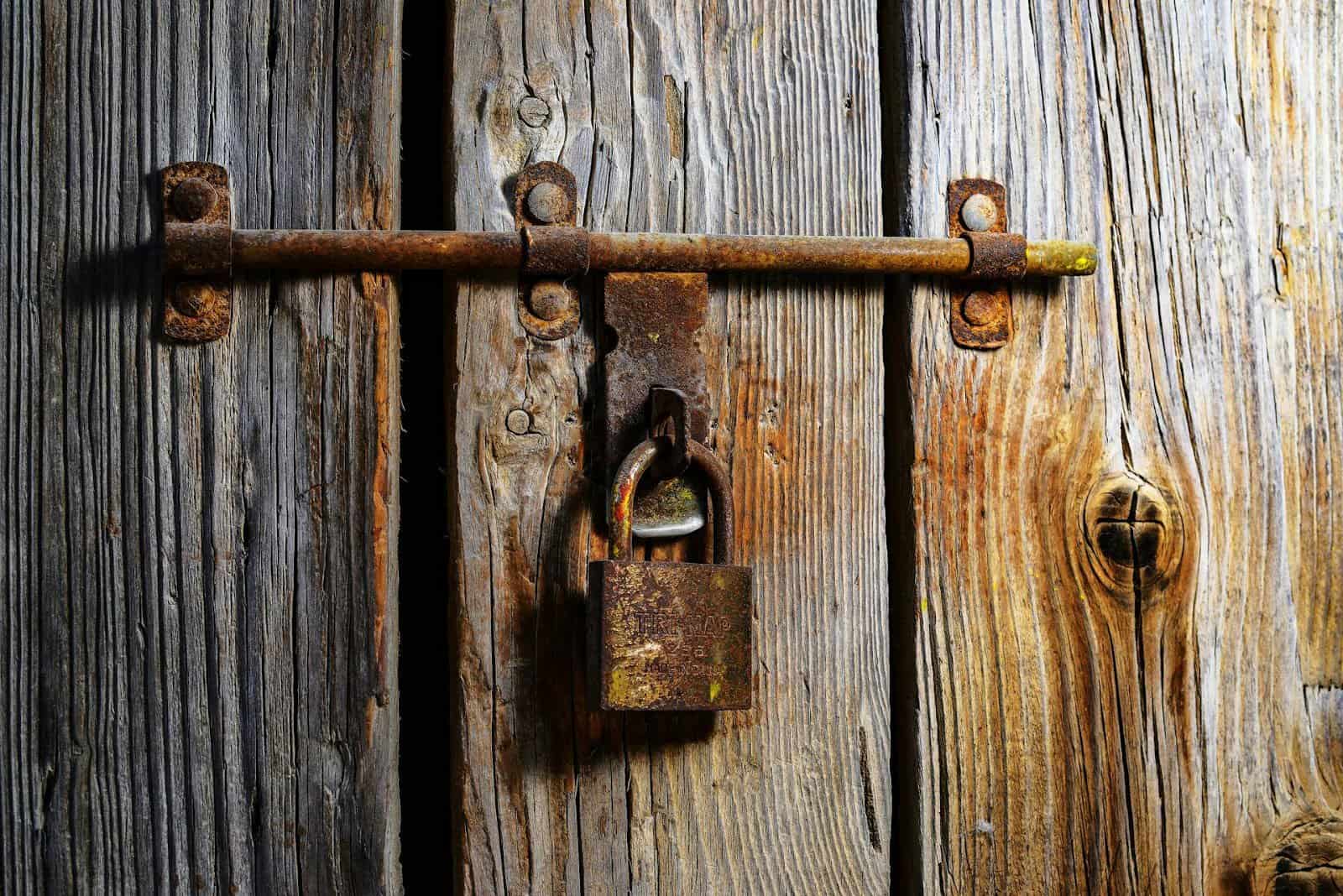
Metal fence removal often involves cutting sections into manageable pieces. Use bolt cutters for wire fences or an angle grinder for heavier metal. Be sure to wear protective gear, including gloves and safety glasses. For tubular metal fences, you may need to unfasten bolts or screws before removal.
Chain-link fences require a systematic approach. Begin by removing the tension wire and fabric ties, then roll up the mesh fencing. Next, remove the top rails and pull out the line posts. Terminal posts may need to be dug out if set in concrete.
Vinyl fence removal is typically straightforward. Start by removing the post caps and detaching the panels from the posts. Be gentle to avoid cracking the vinyl. Once all panels are removed, extract the posts from the ground, which may involve breaking up concrete footings.
Remember, regardless of the fence type, always prioritize safety and work methodically to ensure a smooth removal process.
Step-by-Step Fence Panel Removal
Removing fence panels requires a careful approach to preserve materials and ensure safety. Begin by examining how the panels are attached to posts and rails. Gently pry or unscrew panels, working systematically along the fence line. For stubborn nails or screws, use a pry bar or drill to avoid damaging the panels (try to avoid the electric saw).
When detaching hardware, choose appropriate tools like a hammer’s claw for nails or a screwdriver for screws. Work slowly to prevent splintering or bending the panels. Once removed, sort panels based on their condition.
For disposal, check local regulations regarding fence material recycling or disposal. If panels are in good condition, consider storing them for future use or offering them to neighbors or online marketplaces. This approach not only reduces waste but may also offset project costs.
Discover Durable and Stylish Fencing Options—Connect with DC Fence Today!
Removing Fence Posts and Foundations
Tackling fence posts and foundations can be a challenging yet rewarding part of your fence removal project. For wooden posts, start by digging around the base using a shovel or post-hole digger. If the post is set in concrete, you may need to use a digging bar to loosen it. For stubborn posts, consider renting a power auger to make the job easier.
Metal and concrete posts often require more effort. Use a farm jack or post puller to leverage these posts out of the ground. For posts deeply set in concrete, you might need to break up the foundation using a sledgehammer or jackhammer.
When dealing with large concrete foundations, consider renting a concrete breaker for efficient removal. Alternatively, you can dig around the foundation and use a chain attached to a vehicle to pull it out. Remember, safety is crucial when handling heavy materials and equipment.
Handling Fence Footings and Anchors
Understanding the various types of fence footings is crucial for effective removal. Common types include concrete footings, metal anchors, and buried wood bases. Concrete footings are typically the most challenging, while metal anchors and wood bases may be easier to extract.
For concrete footings, use a sledgehammer or jackhammer to break them up, then remove the pieces. Metal anchors often require digging and leveraging with a pry bar. Wooden bases may have rotted, making them easier to remove, but might need some digging and prying.
Regardless of the footing type, start by excavating around it to expose the full structure. This approach allows for easier access and more effective removal techniques, ensuring a thorough job.
Disposing of Old Fence Materials Responsibly
Responsible disposal of old fence materials is an essential part of your removal project. Consider recycling options for different materials: wood can often be repurposed or composted if untreated, metal can be recycled at scrap yards, and concrete can be crushed and used as aggregate.
When dealing with potentially hazardous materials, exercise caution. Treated wood may contain chemicals and should be disposed of at specialized facilities. If you suspect lead paint on older fences, have it tested and disposed of accordingly. Rusted metal should be recycled but handle it carefully to avoid injury.
To find appropriate disposal locations, check with your local waste management department for guidelines and facilities. Many communities have dedicated recycling centers or transfer stations for construction materials. Some may even offer pick-up services for large quantities. By taking the time to dispose of materials properly, you’re not only complying with regulations but also contributing to environmental conservation efforts.
Post-Removal Cleanup and Site Restoration
After your fence removal project, proper cleanup and site restoration are crucial for both aesthetics and safety. Begin by filling holes left by posts with soil or gravel, and tamping it down to prevent future settling. For larger excavations, consider adding layers of soil and compacting each layer for stability. Level the ground to match the surrounding area, ensuring proper drainage.
Thoroughly clean up all debris and leftover materials. Sort recyclables from waste and dispose of them appropriately. Rake the area to remove small fragments and smooth the surface.
If you’re planning future landscaping or a new fence, this is an ideal time to prepare. Consider soil amendments if needed, and mark out new planting or fencing areas. For replanting, loosen the soil and add compost to promote healthy growth. If you’re installing a new fence, take accurate measurements and mark post locations.
This final phase transforms your work site back into an attractive, usable space, ready for its next purpose.
Verdict: Should You Remove Old Fence On Your Own?
Removing an old fence requires careful planning and execution. From assessing the fence’s condition to dismantling it safely and disposing of materials responsibly, each step plays a crucial role in the process. Remember to gather the necessary tools, take proper safety precautions, and follow local regulations. Whether you’re dealing with wood, chain-link, or vinyl fencing, the key to success lies in methodical work and attention to detail.
At D&C Fence, we understand that fence removal can be a challenging task. If you find yourself overwhelmed or simply prefer professional assistance, our experienced team is always ready to help ensure a smooth, efficient, and safe fence removal process for your property.
Transform Your Outdoor Space—Contact DC Fence for Custom Fencing Solutions Now!