

Can You Install a Privacy Fence on Top of a Brick Wall?
Installing a privacy fence offers several benefits, including enhanced security and aesthetic appeal.
Before installation, key considerations are essential, such as assessing the property’s layout and boundaries, determining the type of fence suitable for the environment and desired purpose, and ensuring compliance with local regulations.
Additionally, budgeting for materials and labor, as well as considering maintenance needs, are important factors to evaluate. Proper planning ensures that the fence meets both functional and aesthetic requirements effectively.
Get a Free Fencing Quote Today
Installing a Privacy Fence on a Brick Wall
Installing a privacy fence on a brick wall requires careful evaluation of the wall’s structural integrity to ensure it can support the additional weight. Assess the height, stability, and foundation of the wall to confirm it is strong enough to hold the fence securely without risking damage or collapse.
It is also essential to review local zoning laws and building codes, as they may regulate fence height, materials, or installation methods. Proper planning and adherence to regulations will ensure a safe and durable installation while enhancing privacy and maintaining compliance with legal requirements.
Types of Privacy Fences for Brick Walls

Wood Privacy Fence
Pros
Offers a classic, natural aesthetic and is highly customizable in design and color.
Cons
Requires regular maintenance (painting or sealing) and may be heavier, potentially stressing the brick wall.
Vinyl Privacy Fence
Pros
Lightweight, low maintenance, and highly weather-resistant, making it a long-lasting option.
Cons
Can be expensive upfront and may not complement all architectural styles.
Metal Privacy Fence (Wrought Iron, Aluminum, or Steel with Privacy Panels)
Pros
Durable, modern-looking, and provides excellent security with privacy panels.
Cons
High cost and requires a secure attachment to the brick wall for stability.
Composite Privacy Fence
Pros
Eco-friendly, stylish, and highly weather-resistant with minimal upkeep.
Cons
Higher initial investment compared to other materials.
Get a Free Fencing Quote Today
Installation Methods
Core Drilling into the Brick Wall
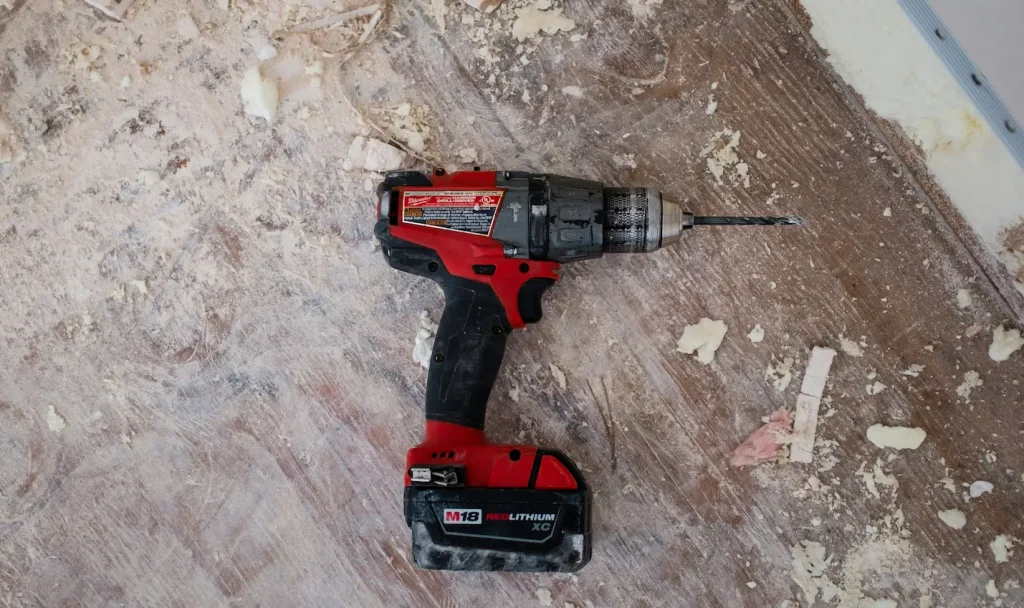
This method involves drilling holes into the brick wall and securing fence posts using anchor bolts or rebar. It provides a strong, stable connection but requires precision to avoid damaging the bricks.
Using Surface-Mounted Fence Posts
Metal post brackets are mounted onto the brick wall using concrete anchors. This method is less invasive than core drilling and works well for lightweight fences, though it may be less sturdy.
Attaching the Fence to Existing Brick Columns
The fence is secured between existing brick columns, utilizing their structural support. This approach is ideal for maintaining stability and minimizing modifications to the wall.
Freestanding Fence Adjacent to the Wall
Fence posts are installed directly into the ground behind or beside the brick wall, avoiding attachment to the wall itself. This method is versatile and minimizes stress on the wall.
Get a Free Fencing Quote Today
Legal Considerations & Permits

Installing a fence offers several benefits, including increased privacy, enhanced security, and aesthetic appeal.
Before installation, key considerations are essential. These include assessing the property’s layout and boundaries, determining the type of fence suitable for the environment and desired purpose, and ensuring compliance with local regulations.
Additionally, budgeting for materials and labor, as well as considering maintenance needs, are important factors to evaluate. Proper planning ensures that the fence meets both functional and aesthetic requirements effectively.
Cost of Installing a Privacy Fence on a Brick Wall
The cost of installing a privacy fence on a brick wall depends on several factors.
Material costs vary, with wood being affordable but requiring maintenance, vinyl and composite offering durability at a higher price, and metal providing premium security at a significant cost.
Installation costs depend on whether you opt for DIY or professional installation; hiring professionals ensures quality but increases expenses. Maintenance costs include staining, painting, or repairs over time, especially for wood fences.
Additional costs may arise for permits or reinforcing weak brick walls to ensure structural integrity. Careful budgeting is essential to account for these potential expenses.
Pros and Cons of Installing a Privacy Fence on a Brick Wall
Pros
- It enhances your privacy without having to build a new wall.
- It adds aesthetic appeal as well as value to your property.
- It’s safer.
Cons
- There are structural challenges that come with attaching other materials to brick.
- You might have to get permits and go around potential code restrictions.
- Reinforcements and repairs can be costly.
Get a Free Fencing Quote Today
Privacy Fence Alternatives
If a traditional privacy fence isn’t ideal, there are alternative options to consider.
Plant-based privacy solutions, such as hedges, climbing vines, or green walls, provide a natural and eco-friendly barrier while enhancing the aesthetic appeal of your space. These options require regular maintenance but offer a lush, organic look.

Decorative screen panels can be mounted directly onto the brick wall to create a stylish and modern privacy solution. These panels come in various materials and designs, adding visual interest while maintaining functionality.
Alternatively, standalone privacy fences can be installed behind the brick wall. This option avoids modifying the wall itself and allows for flexibility in design and placement while maintaining privacy effectively.
Final Considerations & Recommendations
Installing a privacy fence on a brick wall is a practical way to enhance security, privacy, and aesthetics, but it requires careful planning. Begin by assessing the wall’s stability to ensure it can support the fence without compromising its structural integrity.
Choose materials that align with your budget, maintenance preferences, and aesthetic goals, whether it’s wood for a classic look, vinyl for low maintenance, or metal for durability.
Consulting a professional is highly recommended for secure installation, especially when attaching fences to brick surfaces.
Lastly, ensure compliance with local laws, including zoning regulations and permit requirements, to avoid legal issues.
With proper preparation and expert guidance, you can achieve a functional and visually appealing privacy solution that complements your space effectively.