
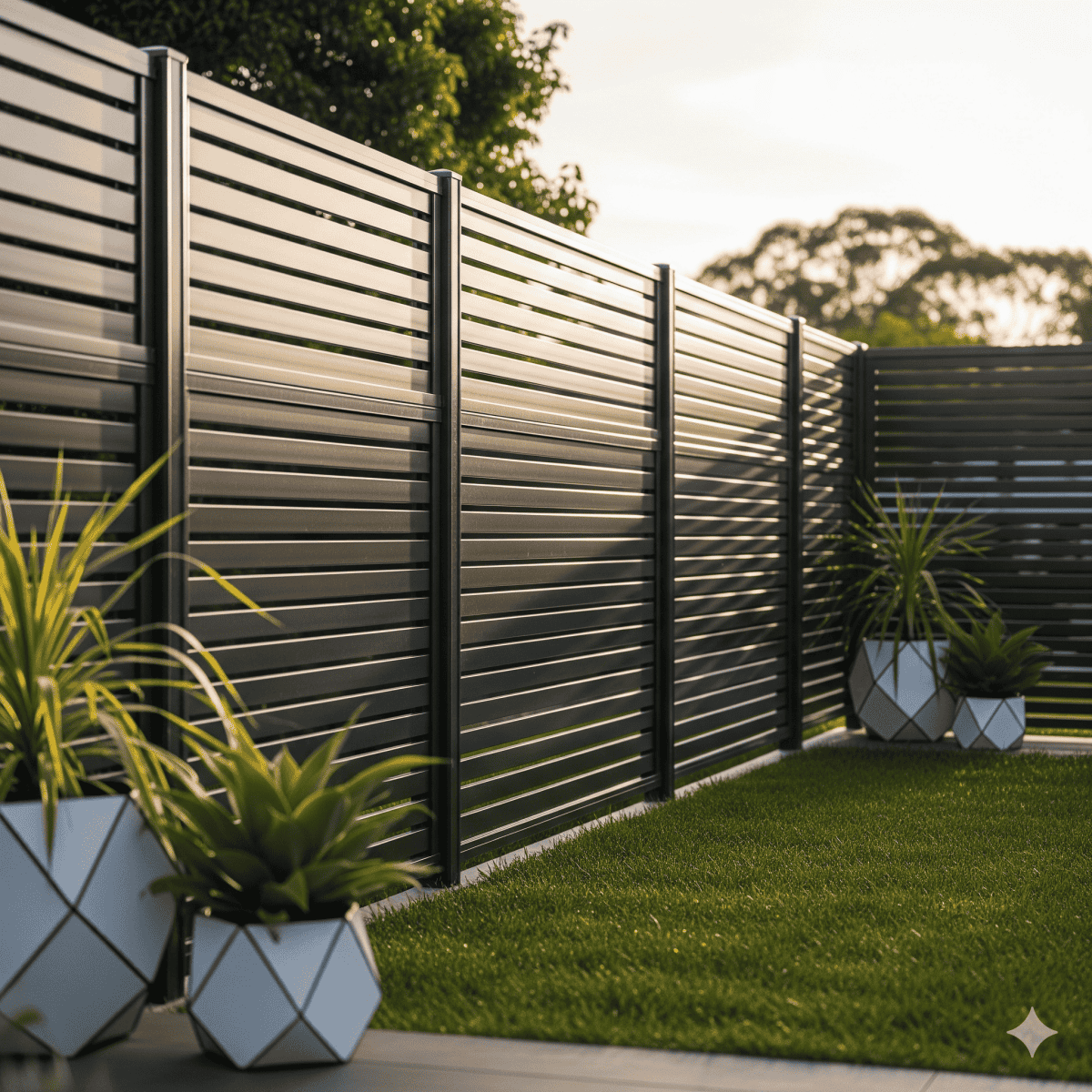
Best Metal Fence Materials
When it comes to fencing solutions that can withstand the unique challenges of Coastal Texas weather, metal fencing stands in a class of its own. For homeowners in Corpus Christi and throughout the Gulf Coast region, selecting the right fence material isn’t just about aesthetics, it’s about investing in a barrier that can handle salt air, intense sun, high humidity, and the occasional tropical storm or hurricane.
At D&C Fence, we’ve installed countless metal fences across the Corpus Christi area, and we’ve seen firsthand how the right metal fencing can provide decades of reliable performance. In this guide, we’ll walk you through the most popular metal fence options to help you make an informed decision for your property.
Best Metal Fence Materials for Every Project
Metal fencing offers durability, longevity, and versatility. However, each material excels in different areas. Let’s take a closer look at the top metal fencing materials and examine the pros and cons of each.
Note: We’ve attempted to provide accurate cost estimates for each material, but the final price can vary quite a bit depending on factors like the height of the fence, labor costs, and the size of the area to be fenced.
Galvanized Steel
- Best For: Long-term, low-maintenance security and livestock fencing
- Estimated Lifespan: 50–70+ years
- Typical Cost (per linear foot): Medium
Galvanized steel is steel coated with a protective layer of zinc to prevent rust. It’s one of the most durable and cost-effective long-term fencing solutions available.
You’ll commonly see galvanized steel used for:
- Agricultural and ranch fencing (pipe and wire)
- Security perimeters
- Structural posts
- Large property enclosures
Because of its strength and corrosion resistance, galvanized steel can last 50–70 years or more with minimal maintenance. It performs well in most climates, including wet environments, as long as the coating remains intact. However, it’s also heavy and generally requires professional installation.
Aluminum
- Best For: Residential use in humid/coastal climates; Decorative, low-maintenance.
- Estimated Lifespan: Up to 50 years
- Typical Cost (per linear foot): $19–$76
Aluminum fencing is a favorite among homeowners, and for good reason. It does not rust, making it ideal for:
- Pool enclosures
- Coastal properties
- Rainy or humid climates
- Decorative backyard fencing
Modern aluminum fences are powder-coated for enhanced durability and color retention. Many styles closely mimic the look of wrought iron without the need for constant repainting. This fence material is also lightweight and DIY-friendly.
It’s important to note that aluminum isn’t as strong as steel, so it’s not ideal for high-security applications. However, it’s more than sufficient for most residential needs.
Stainless Steel
- Best For: High-security, harsh environments (coastal areas, pool enclosures, etc.)
- Estimated Lifespan: 30+ years
- Typical Cost (per linear foot): High
Stainless steel offers the highest level of corrosion resistance and strength among common fencing metals. It outperforms even galvanized steel in salt-heavy coastal environments.
It’s commonly used for:
- Modern architectural fencing
- Commercial security perimeters
- Pool enclosures
- Coastal installations
Besides being corrosion-resistant, stainless steel fencing is also exceptionally strong. The main drawback is cost, making it best suited for premium applications where longevity and security are top priorities.
Steel Board
- Best For: Maximum equine safety and property value.
- Estimated Lifespan: 30+ years
- Typical Cost (per linear foot): High
Steel board fencing is widely considered the safest fencing option for horses. Unlike wire or traditional rail fencing, it eliminates sharp edges and gaps where legs can get caught.
Aside from safety considerations, this material is exceptionally durable and provides a clean, professional appearance that can boost property values.
Wrought Iron and Steel Picket
- Best For: Decorative, classic aesthetics paired with high security.
- Estimated Lifespan: Long (with proper care)
- Typical Cost (per linear foot): $25–$85 (depending on height)
Wrought iron and steel picket fences offer timeless elegance. They’re popular for:
- Front yard enclosures
- Historic homes
- Decorative security fencing
These fences are strong and visually striking, but they do require ongoing maintenance. Regular painting or sealing is necessary to prevent rust. The upfront cost can also be high, especially if you’re opting for a tall security fence. But if you love classic curb appeal and don’t mind occasional upkeep, this style is hard to beat.
Chain Link
- Best For: Affordable, practical pet containment and dog runs
- Estimated Lifespan: 20+ years
- Typical Cost (per linear foot): $12–$33
Chain link fencing is one of the most economical metal options available. It’s functional, durable, and widely used for:
- Backyard pet containment
- Dog runs
- Commercial properties
- Boundary definition
While it lacks privacy and decorative appeal, vinyl-coated versions improve appearance and corrosion resistance. For practical, budget-conscious fencing, chain link gets the job done.
Corrugated Metal
- Best For: Privacy screens, windbreaks, modern/rustic style
- Estimated Lifespan: 15-20 years
- Typical Cost (per linear foot): $7–$13
Corrugated metal panels provide full privacy and a bold, modern look. They’re often paired with wood or steel framing for added strength. While more affordable upfront, corrugated panels generally have a shorter lifespan than structural steel fencing.
How to Choose Materials for Your Metal Fence?
Before selecting a material, clarify your needs across these dimensions:
Primary Purpose
Define if your main goal is:
- Security: Keeping intruders out
- Safety: Protecting children and pets or enclosing a pool
- Containment: For livestock or pets
- Privacy: Keeping your outdoor spaces and home safe from prying eyes
- Decoration: Improving your home’s curb appeal and your enjoyment of outdoor spaces
Environment and Climate
Coastal, humid, or rainy climates demand high corrosion resistance, which aluminum, stainless steel, and galvanized steel provide.
Areas with high winds need strength to match, making materials like steel pipe or structural steel good choices.
Budget Considerations
Look beyond initial cost and factor in:
- Installation complexity
- Maintenance requirements
- Long-term replacement costs
A cheaper fence that needs repainting or component replacement every few years may cost more over time.
Aesthetics and Privacy
Decide on your desired look:
- Ornate
- Modern
- Rustic
- Unobtrusive
And also your preferred privacy level:
- Open view
- Semi-private
- Full privacy
Maintenance Tolerance
Deciding how much maintenance you’re willing to handle is a major part of choosing the right fencing material. Keep these points in mind:
- Low maintenance: Aluminum, stainless steel, or vinyl-coated metals
- Moderate maintenance: Galvanized steel
- Higher maintenance: Wrought iron or painted steel
Top Fencing Materials, Compared
Need a way to quickly find the best fencing material for your project? Here’s a breakdown:
Galvanized Steel: The Ultimate Balance of Durability and Value
Galvanized steel, coated with a layer of zinc, offers exceptional rust resistance and is a top choice for long-term projects.
If you want strength and longevity without going fully premium, this metal is hard to beat. It’s especially effective for agricultural and security applications and can last 50-70+ years with minimal care.
Its main drawbacks are high upfront cost and weight, making professional installation a necessity in many cases.
Aluminum: For Effortless Maintenance and Style
Aluminum is the clear winner for low-maintenance needs. It does not rust, making it perfect for pools, coastal areas, and rainy climates. Modern aluminum fences are powder-coated for color retention and can mimic the look of wrought iron without the upkeep.
While not as strong as steel, aluminum is sufficient for most residential security and containment, and its lighter weight makes it DIY-friendly.
Stainless Steel: For Maximum Security and Harsh Climates
Stainless steel offers the highest combination of strength and innate corrosion resistance, outperforming even galvanized steel in the harsh saltwater conditions common in Corpus Christi.
It’s the premium choice for maximum security applications, pool fencing, and modern architectural designs. The main downside is its significantly higher cost compared to other metals.
For Specialized Applications
Some metal fence materials are best for particular requirements, such as:
- Equine Safety: Steel board fencing is considered the safest and most durable for horses, with no sharp edges or places for legs to get caught.
- Classic Decoration: Wrought iron or steel picket fences offer timeless, ornate beauty but require upkeep to prevent rust.
- Economical Containment: Chain link and wire fences are cost-effective for defining boundaries or containing dogs, but offer little privacy or aesthetic appeal.
Fencing Recommendations by Use Case
Have a specific use case in mind? Here are our top fencing recommendations:
Residential Backyard (General Use)
Choose aluminum for a great blend of durability, style, and rust-resistance. Steel tubular fencing works well if you prefer a traditional wrought-iron look and don’t mind periodic painting.
Pool Enclosure
Aluminum is typically the best balance of safety, code compliance, and corrosion resistance. Stainless steel is a premium (but more expensive) option for modern designs.
Livestock and Horses
For horses, prioritize steel board fencing for safety. For cattle or large pastures, galvanized high-tensile wire or pipe fencing offers durable containment.
High-Security Perimeter
Opt for heavy-gauge galvanized steel or stainless steel panels. Avoid materials like aluminum or chain link that can be cut or bent more easily.
Modern Privacy Fencing
Corrugated metal panels offer full privacy and a modern/industrial look. Aluminum slat fences provide a cleaner, more residential appearance with semi-privacy.
Metal Fencing FAQs
What’s the best metal fence material for DIY projects?
Aluminum’s light weight makes it the most DIY-friendly metal option.
Can I install a metal fence if I live in an HOA?
If you live in a homeowners’ association, check HOA rules for approved materials, styles, heights, and colors before making a purchase.
Which type of metal fencing should I choose for humid coastal climates?
For humid, salty, or wet climates, prioritize non-corrosive materials like aluminum, stainless steel, or properly galvanized steel.
Do I need a permit to install a metal fence?
Possibly. Always consult local regulations and obtain any needed permits before installing any type of fence.
Verdict: The Best Material Is the One That Fits Your Needs
There is no universal “best” metal fence—only the one that aligns with your goals, environment, and budget.
- If you want low maintenance and residential style, aluminum is likely your winner.
- If you need heavy-duty strength for livestock or security, galvanized steel may be the right call.
- If you’re building in a harsh coastal climate, stainless steel could be worth the investment.
At D&C Fence, we help homeowners, property managers, and agricultural clients select and install fencing that fits their exact needs. Whether you’re prioritizing safety, security, style, or long-term durability, our team can guide you through the options and ensure professional installation.
Contact D&C Fence today for a consultation and get expert guidance on the best metal fence for your property.