
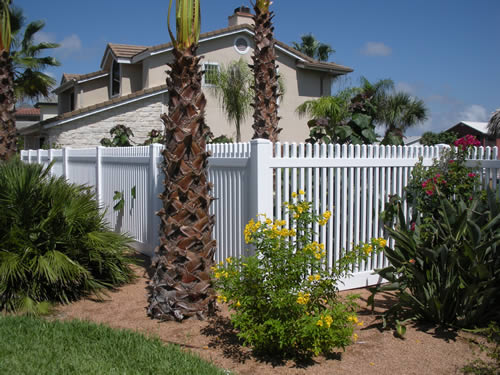
How to Determine Who Owns a Fence?
Who owns a fence? It’s a question that can lead to big misunderstandings between neighbors.
Knowing how to determine who owns a fence is essential, as ownership often affects maintenance responsibilities and can prevent disputes.
Unfortunately, fence ownership isn’t always straightforward and can vary based on property lines, legal guidelines, and even local ordinances.
In this blog post, we’ll explore key aspects of fence ownership so you can confidently manage your property’s boundaries without confusion.
Understanding Property Boundaries
Property boundaries define the edges of land ownership, marking where one person’s property ends and their neighbor’s property begins. These boundaries play an essential role in determining who legally owns the fence and any structures along the property line.
Property boundaries are typically established using surveying techniques and are documented in land records or legal descriptions in property deeds. A licensed surveyor uses specialized tools to measure and mark boundary lines accurately. These measurements are then recorded in public records, making it easier to verify property lines if there are any questions or disputes.
If a fence is directly on the property line, ownership may be shared. In this case, it’s common for neighbors to jointly maintain the fence, as both technically own the fence.
However, the specific rights and responsibilities can vary by local laws. For example, one neighbor may take on maintenance if they were the one to originally install it. Checking these details can prevent any misunderstandings and create a clearer picture of legal ownership and responsibilities.
Legal Guidelines on Fence Ownership
Local laws typically determine fence ownership, often defining who is responsible for maintenance and upkeep. These laws vary but generally include common regulations:
- The owner of a fence is typically the property owner whose land the fence falls within.
- For a shared fence on the property line, both neighbors may be equally responsible for upkeep.
- Some cities require homeowners to notify neighbors before building or modifying a boundary fence.
Local zoning laws also play a role in where fences can be placed. Zoning determines fence height, type, and location based on community standards. For example, front yard fences may need to be lower for visibility, while backyard fences can often be taller for privacy.
Across the U.S., fence ownership laws differ significantly by state. In some states, fences on a property line are automatically considered shared property, with maintenance split between both owners. Other states specify that the person who installed the fence is the sole owner, even if it stands on the property line. Knowing your state’s specific guidelines can help prevent misunderstandings and clarify who is legally responsible for the shared fence in question.
Fence Construction and Ownership
When neighbors decide to construct a fence together, the builder’s role often influences ownership.
If both property owners share the cost, the fence usually becomes a shared responsibility. This means each neighbor has a stake in maintaining it, though local fence regulations may still impact each owner’s duties. For example, if one neighbor installed the fence, they might handle more of the upkeep.
Historical ownership of fences also plays a part. When a previous owner builds a fence, the ownership and maintenance responsibility often transfers to the current property owner. This is why it’s essential to check any past agreements when purchasing a property, as these agreements can clarify who maintains and owns the fence.
What If a Fence Is Built on a Neighbor’s Land?
Sometimes, fences are mistakenly built on a neighbor’s land. If this happens, property owners usually need to address it directly. In many cases, local laws allow the neighbor to request removal or adjustments to align with the property line. Resolving such a situation amicably is best, as a friendly discussion can often clear up misunderstandings.
Responsibilities for Fence Maintenance
Maintenance obligations often depend on the location of the fence. For example, if the fence sits directly on the property line, both neighbors may share the responsibility to keep it in good condition. However, if the fence is entirely on one side, the property owner on that side typically handles upkeep.
When a fence is shared, dividing maintenance costs and duties fairly is key. Neighbors may choose to split costs equally or assign tasks based on usage. For example, if one neighbor uses the fence for pet containment, they might agree to handle more of the upkeep. Clear communication helps avoid misunderstandings and makes cost-sharing arrangements smoother.
Failing to maintain a shared fence can sometimes lead to penalties, depending on local laws. In some cases, neglecting maintenance could result in fines or even requests from the neighbor to repair or replace damaged sections. Staying on top of repairs and maintenance helps prevent conflicts and keeps your property looking its best.
Dispute Resolution: When Neighbors Disagree
Fence ownership disagreements can arise over boundary disputes, maintenance responsibilities, or repair costs. These issues often create tension if left unresolved, especially if both parties have different interpretations of property lines or shared responsibilities.
So, what can you do to handle these situations smoothly?
- Start with a friendly conversation, clarifying each party’s understanding of the fence location and responsibility.
- Review property records or a survey to confirm the boundary lines.
- Suggest a written agreement for maintenance or repairs to prevent future disputes.
If disagreements persist, there are times when seeking legal advice or mediation is the best step. Mediation can provide an unbiased third-party perspective, while litigation may be necessary if boundary disputes escalate or legal ownership needs confirmation. Keeping things friendly whenever possible helps avoid unnecessary conflict.
Practical Steps to Determine Fence Ownership
Determining fence ownership may seem tricky, but a few practical steps can make the process clearer. Here’s a simple guide to help you confirm whether the fence belongs to you, your neighbor, or if it’s shared.
Step 1: Check Property Deeds
Start by examining the property deeds, as they often contain detailed descriptions of boundary lines. These descriptions can clarify if a fence sits directly on the line or on one side, indicating ownership.
Step 2: Review Local Ordinances
Understanding local ordinances is essential. Local rules might address fence placement and shared ownership responsibilities, and they can offer insights into who maintains a fence positioned on the property line.
Step 3: Hire a Professional Surveyor
If the deeds and ordinances don’t provide enough clarity, it might be time to hire a professional surveyor. A surveyor can accurately mark property boundaries and confirm the exact location of the fence.
Step 4: Discuss With Your Neighbor
Open communication with your neighbor is crucial. A friendly discussion can help both parties understand ownership, especially if the fence was built long ago or by a previous owner.
Fence Ownership for New Homeowners
For new homeowners, it’s important to understand who owns any existing fences on the property. This knowledge helps avoid future disputes and clarifies maintenance responsibilities.
Fences often come with their own history, so checking the boundary lines or past agreements can prevent misunderstandings with neighbors.
One way to address ownership is through pre-sale agreements. Including fence ownership terms in the purchase contract helps both the buyer and seller clearly understand who owns and maintains the fence. This agreement can cover shared responsibility or any unusual maintenance expectations, setting the stage for a smoother homeownership experience.
Preventing Future Fence Ownership Disputes
One of the best ways to prevent disputes is to establish clear boundaries before building a fence. Reviewing property lines and discussing plans with neighbors in advance helps avoid misunderstandings later. It’s also helpful to check local zoning and property regulations for any restrictions on fence placement.
Creating a formal agreement with neighbors can further reduce potential conflicts. An agreement clarifies maintenance roles and cost-sharing if the fence will be shared.
Staying informed about property lines over time is also important, as it helps keep everyone aware of their boundaries, especially if changes are made to either property.
Special Cases in Fence Ownership
In landlord-tenant relationships, fence responsibilities can vary. Typically, landlords are responsible for maintaining fences on the property, especially if they serve a functional purpose like security.
However, tenants may need to report damages promptly to avoid complications with determining ownership or responsibility for repairs.
Fences in Homeowner Associations (HOAs)
For properties within an HOA, fence ownership and maintenance often follow specific rules. HOAs may require certain fence materials, heights, or colors, affecting both ownership rights and maintenance expectations. Staying informed about HOA guidelines can help prevent misunderstandings.
In areas with natural boundaries, like hedges or tree lines, special considerations may apply. Natural boundaries sometimes serve as informal property dividers, though they don’t have the same legal status as a built fence. It’s wise to confirm property lines and address any shared maintenance needs to ensure clarity around these unique cases.
Final Tips for Determining Existing Fence Ownership
Understanding how to determine who owns a fence can prevent future disputes and clarify maintenance responsibilities. Checking property lines, consulting local ordinances, and open communication with neighbors are essential steps.
Whether you’re a new homeowner or dealing with an existing fence, knowing these basics can save time and hassle. Remember, professional surveyors can help if boundaries are unclear, and formal agreements with neighbors further ease potential conflicts.
Taking these steps will help you enjoy a clear, well-defined property boundary without confusion.
D & C Fence offers a range of durable and custom fencing solutions for residential, commercial, and industrial properties. With decades of experience, our team delivers quality installations tailored to your specific needs.