
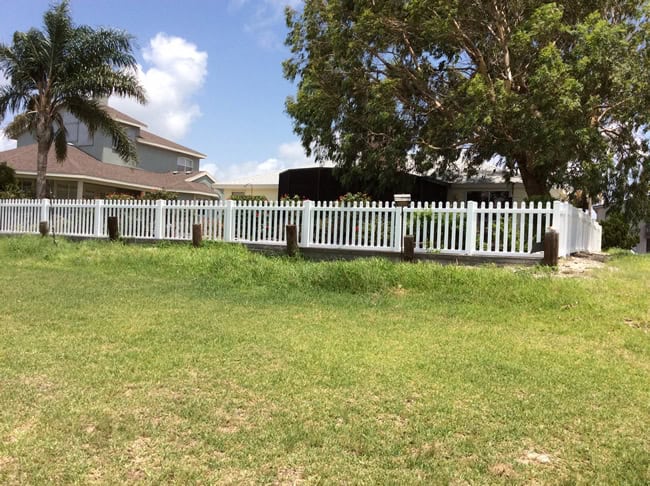
Vinyl Lattice Fence: Why It Lasts and Looks Great?
Vinyl lattice fencing has gained significant popularity due to its combination of aesthetic appeal and low maintenance.
Unlike traditional wood fences, vinyl does not rot, warp, or require painting, making it a durable option for homeowners. The intricate lattice design adds visual interest while providing privacy and support for climbing plants.
As outdoor living spaces become increasingly important in home design, the versatility and longevity of vinyl lattice fences have made them a top choice for enhancing gardens and patios. This trend reflects a growing preference for functional yet stylish fencing solutions that complement modern landscaping needs.
Get a vinyl lattice fence today!
Types of Vinyl Lattice Fences
When considering vinyl lattice fences, it’s essential to explore the various types available, each designed to meet specific needs and aesthetic preferences.
Standard Vinyl Lattice Fences
Standard vinyl lattice fences provide basic functionality and are often used as a simple boundary marker for residential properties.
Constructed from durable vinyl, they resist fading, rotting, and warping, making them a low-maintenance option that can last for years.
Decorative Vinyl Lattice Fences
Decorative vinyl lattice fences enhance the visual appeal of your yard while serving as a stylish barrier.
These fences come in various designs and colours, allowing homeowners to choose patterns that complement their landscaping. They can be utilized as trellises for climbing plants, adding both beauty and function.
Privacy Vinyl Lattice Fences
For those seeking more seclusion, privacy vinyl lattice fences are an excellent choice. These fences feature a tighter lattice pattern that obstructs views while still allowing light and air to pass through.
This balance makes them perfect for backyards, patios, or pools, where privacy is paramount without sacrificing openness.
Garden Vinyl Lattice Fences
Garden vinyl lattice fences are specially designed to support climbing plants and flowers, creating a vibrant and inviting atmosphere in any garden.
They are generally lower in height and are perfect for defining garden areas or creating visual interest along pathways. With their versatility and aesthetic appeal, they can significantly enhance the overall look of your outdoor space.
Materials and Durability
Vinyl lattice fences are crafted from high-quality PVC (polyvinyl chloride), which is renowned for its exceptional durability and resistance to the elements.
Unlike traditional wood or metal options, vinyl does not warp, crack, or rot, ensuring that it retains its structural integrity and aesthetic appeal over time.
Composition of Vinyl Lattice
The composition of vinyl lattice is designed to provide both strength and versatility. The lattice panels are often made from reinforced PVC, allowing for a sturdy yet lightweight construction. This composition not only contributes to its durability but also makes it easy to handle and install.
Resistance to Weather and UV Rays
One of the standout features of vinyl lattice fencing is its remarkable resistance to weather and UV rays. The material is engineered to withstand extreme temperatures, heavy rain, and snow without deteriorating.
Additionally, it features UV inhibitors that prevent fading and maintain vibrant colours, ensuring that the fence looks new for years to come.
Longevity and Maintenance-Free Benefits
Vinyl lattice fences are celebrated for their longevity, often lasting over 20 years with minimal upkeep. Unlike traditional fencing options, vinyl requires no painting, staining, or sealing.
A simple wash with soap and water is usually sufficient to keep it looking pristine. This maintenance-free benefit makes it an attractive choice for homeowners looking for a stylish yet practical fencing solution.
Installation Process
Pre-Installation Preparation
Before you begin the installation of your vinyl lattice fence, it’s essential to prepare adequately to ensure a smooth process.
Start by checking local regulations and obtaining any necessary permits, as fencing laws can vary by location.
Measuring and Planning
Accurate measurements are crucial for a successful installation. Measure the perimeter of the area where you intend to install the fence, marking corners and gate locations.
Consider how much privacy or aesthetic appeal you desire, as this will influence your panel sizes and layout.
Gathering Necessary Tools and Materials
You’ll need a variety of tools and materials for the installation. Typical tools include a post hole digger, level, power drill, and measuring tape.
For materials, ensure you have fence panels, posts, concrete mix, and any additional decorative features such as caps or gates.
Step-by-Step Installation Guide
- Post Setting: Begin by digging holes for your fence posts, ensuring they are deep enough for stability, typically one-third of the post length. Place the posts in the holes and fill with concrete mix for support. Make sure they are vertically aligned using a level.
- Panel Attachment: Once the posts are set and concrete has cured, attach the vinyl panels to the posts. This usually involves sliding the panels into grooves on the posts or securing them with brackets, depending on your chosen system.
- Finishing Touches: Add any finishing touches like caps on the posts or decorative elements to enhance the fence’s appearance. Ensure all fittings are secure and check that the panels are aligned properly.
Hiring Professional Installers vs. DIY Installation
While a DIY approach can be rewarding and cost-effective, hiring professional installers can ensure a high-quality finish and save you time, especially if you’re unfamiliar with the installation process.
Professionals have the expertise and tools that can lead to efficient and precise installation, providing peace of mind and potentially enhancing the durability of your fence.
Deciding between the two options will depend on your budget, skills, and the complexity of the installation project.
Maintenance and Care
Proper maintenance and care of your vinyl lattice fence will ensure its longevity and keep it looking its best. Here are some essential tips to help you maintain your fence effectively.
Routine Cleaning Tips
To prevent the buildup of dirt and grime, it’s important to clean your vinyl fence regularly. A simple wash with a mixture of mild soap and water can be sufficient for most stains.
Use a soft brush or cloth to gently scrub the surface, and rinse thoroughly with water to avoid any soap residue. For tougher stains, such as mildew or algae, a solution of vinegar and water or a commercial vinyl cleaner can be used.
Preventing and Addressing Common Issues
Vinyl lattice fences are resistant to many common issues like rust or rot, but they can still face challenges such as fading or warping due to extreme weather conditions.
To prevent fading, consider positioning your fence in a shaded area if possible. If you notice any warping, it may be a result of high temperatures. In such cases, ensure that the fence is properly installed with adequate spacing to allow for expansion.
Seasonal Care Guidelines
In spring and summer, increased sun exposure can lead to gradual fading; regular cleaning and possibly applying a UV protectant can help mitigate this.
During autumn, it’s wise to remove fallen leaves and debris that may accumulate on or around the fence, helping to avoid moisture buildup. In winter, heavy snow accumulation should be carefully cleared off to prevent excessive weight that could potentially damage the lattice.
Use Cases and Applications
Residential Use
Vinyl lattice fencing is an excellent choice for residential properties, as it enhances curb appeal by providing a stylish and modern look. Available in various colours and designs, these fences can complement the architectural style of any home.
Additionally, they create private outdoor spaces, allowing homeowners to enjoy their gardens without prying eyes, making them great for patios, backyards, and pool areas.
Commercial Use
For commercial properties, vinyl lattice fences play a crucial role in defining property boundaries clearly without creating a solid barrier that may seem imposing. This transparency promotes an inviting atmosphere while ensuring the property’s limits are established.
Furthermore, these fences add aesthetic value to business premises, contributing to a more welcoming environment for customers and clients by creating an organized and well-maintained appearance.
Garden and Landscaping
In gardens and landscaping, vinyl lattice fences offer versatile support for climbing plants, enhancing the visual interest of the garden while promoting greenery.
They can serve as decorative garden features, integrating beautifully into floral displays and outdoor spaces, thus elevating the overall design of the area.
Comparing Vinyl Lattice with Other Fencing Materials
When selecting a fencing option, it’s essential to compare vinyl lattice with other common materials like wood, metal, and composite fencing. Each of these materials has unique characteristics that can influence your choice.
Vinyl Lattice vs. Wood Fences
Wood fences are often admired for their classic beauty and natural appearance. However, they require regular maintenance, including staining and sealing, to protect against rot and weather damage.
In contrast, vinyl lattice fencing is highly durable, will not warp or rot, and is maintenance-free, making it a more convenient option for homeowners seeking longevity without the hassle.
Vinyl Lattice vs. Metal Fences
Metal fences, such as those made from aluminum or wrought iron, provide excellent security and durability. However, they can sometimes lack the aesthetic appeal that many homeowners desire.
Vinyl lattice offers a more decorative look while still providing a level of privacy and separation, along with the benefit of being rust-resistant and low maintenance.
Vinyl Lattice vs. Composite Fences
Composite fences combine wood fibers with plastic for a more sustainable choice that offers durability and a similar aesthetic to traditional wood.
While composite materials may not require as much maintenance as wood, they can be more expensive upfront than vinyl lattice fences. The latter provides a more lightweight, cost-effective option while still delivering a stylish appearance.
Pros and Cons
Vinyl lattice fencing has several advantages, including being resistant to various weather conditions, not requiring painting or staining, and being available in diverse styles and colours.
Its durability ensures that it can withstand the test of time without fading or deteriorating, making it an appealing long-term investment for homeowners.
While vinyl lattice fencing is a fantastic choice for many, there are potential drawbacks. Some homeowners may find that it lacks the same sturdy feel as heavier materials like wood or metal.
Additionally, vinyl can be more susceptible to cracking in extreme temperatures. It’s crucial to weigh these factors against your specific needs and aesthetic preferences.
Ultimately, choosing the right fencing material for your yard involves considering your priorities, such as maintenance, cost, aesthetics, and functionality.
Summary
When considering fencing options for your yard, vinyl lattice fencing stands out for its blend of style and functionality.
Not only does it enhance curb appeal, but it also provides a durable and low-maintenance solution that withstands various weather conditions. Its versatility allows you to create a private oasis or an attractive garden border.
We encourage you to explore the diverse range of vinyl lattice designs available, ensuring you find the perfect fit for your aesthetic preferences and practical needs. Investing in vinyl lattice fencing will elevate your outdoor space while providing lasting value.